
City moves are rough on breakables. Narrow hallways, elevator shuffles, curbside handoffs, and stop-and-go traffic create lots of small shocks.
The biggest win is simple: stop items from moving inside the box, and stop boxes from getting crushed in transit. A few smart packing choices and a clear loading plan can cut most common breakage—especially if you coordinate the plan with local movers ahead of move day.
Packing breakables so they can’t shift (supplies, box size, wrapping, labels)
In a city move, most damage happens inside the box. Even a short drive can include hard stops, quick turns, curb bumps, and extra handling between apartment, lobby, and truck.
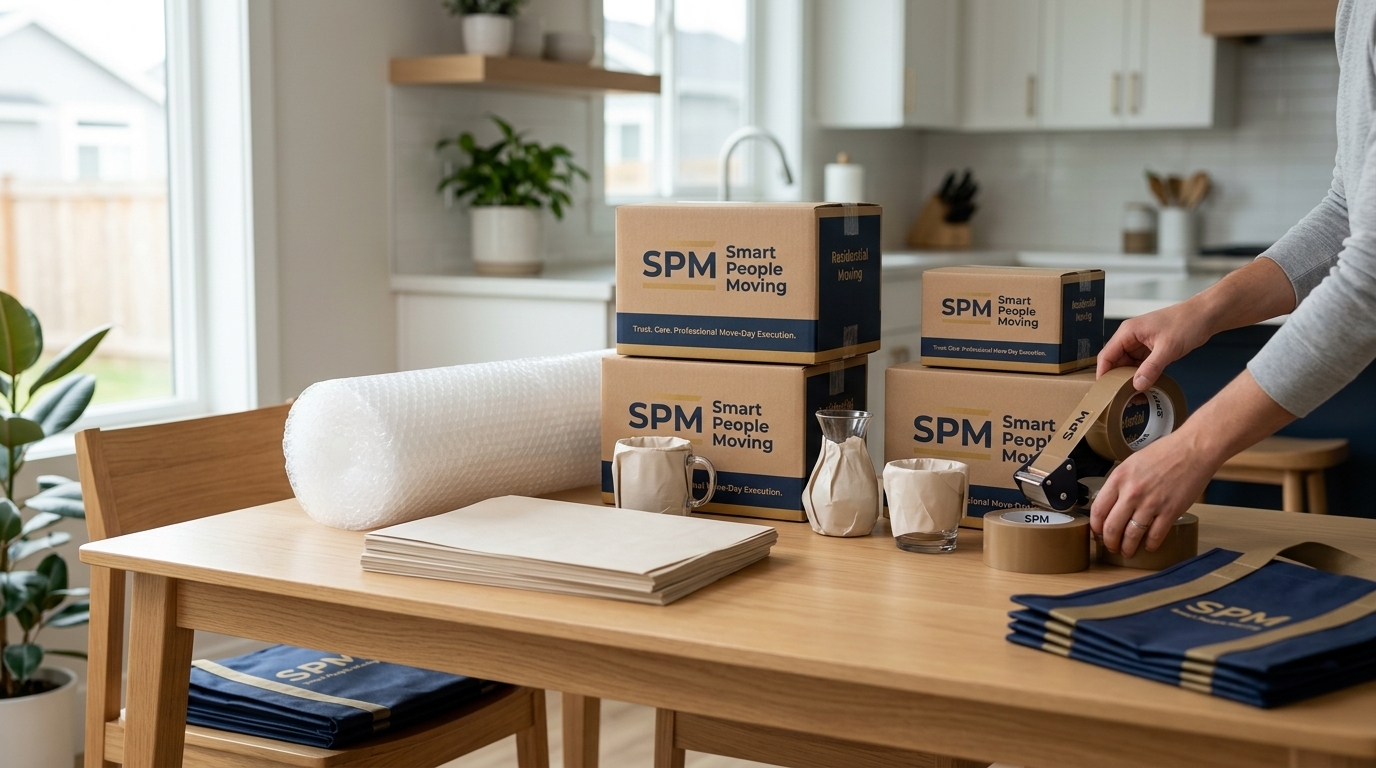
Use supplies for three jobs
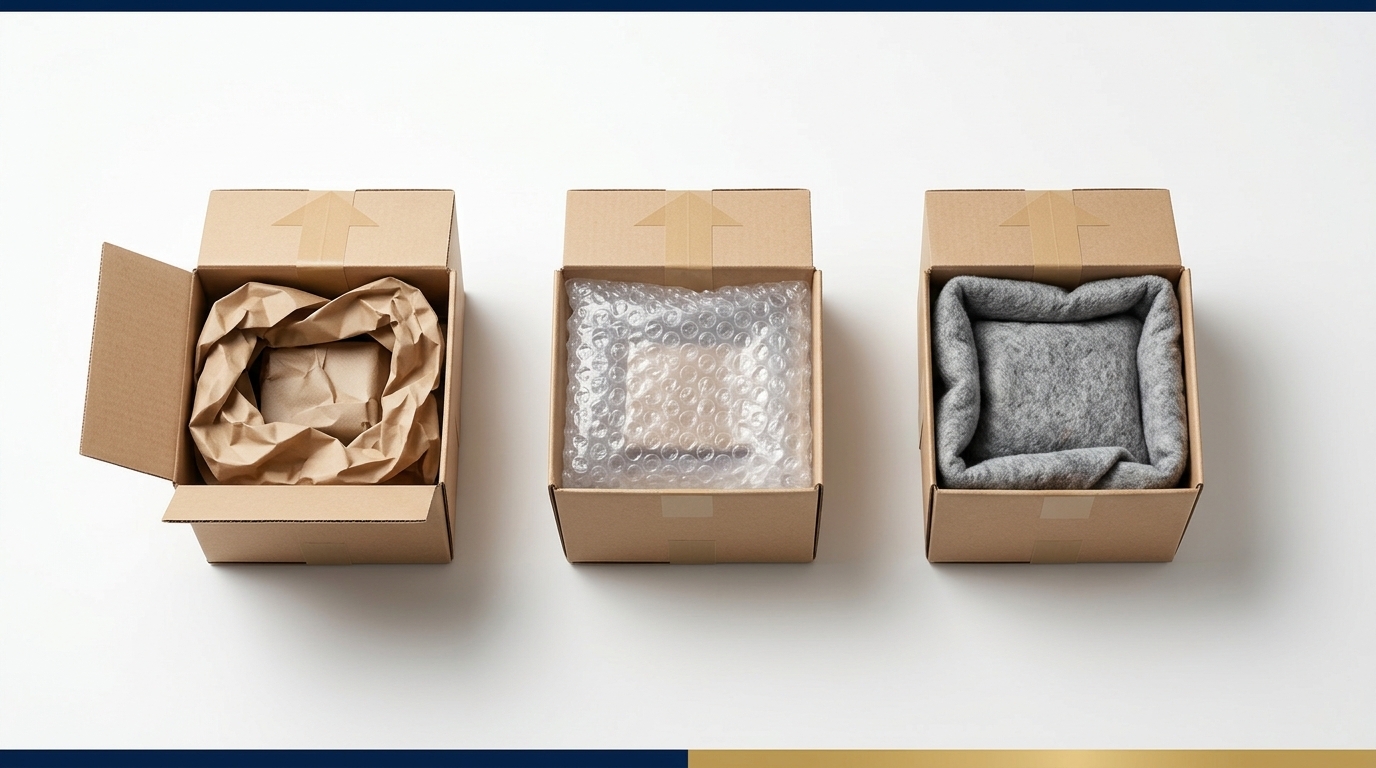
- Wrap (protect surfaces): bubble wrap, foam sheets, plain packing paper.
- Cushion (support all sides): crumpled paper, air pillows, foam peanuts, towels.
- Close + signal (keep boxes rigid): packing tape, stretch wrap, thick marker, labels.
Choose box size to limit momentum
Smaller, sturdy boxes reduce sliding and are easier to carry level in tight stairwells. Big boxes often create empty pockets, and that “extra room” turns into shifting. They also invite overpacking, which puts weight on the most fragile items.
Wrap to prevent item-to-item contact
The goal is separation. When pieces touch, vibration can chip edges even if the outside looks fine. Glassware is the classic example: wrap each piece, then add paper between items or use dividers.
Label so boxes get handled once (and stacked right)
Mark FRAGILE and add THIS SIDE UP when orientation matters. Include a room name, too, so the box goes straight to its spot instead of being moved around to “figure it out.”
Key takeaway: tight fit, full support, and clear labeling prevent most city-move breakage. If you want a companion checklist for what most often causes cracks, this guide to common city-move packing mistakes can help you double-check the setup.
City transport: elevators, load order, and what to keep with you (quick checklist + FAQ)
Urban transport adds stress in ways people don’t expect: frequent stops, sharper turns, and more “hand-offs” through doorways and elevators. Distance matters less than small impacts and stacking pressure.
Elevator moves: the hidden problem
Elevators create tight pinch points. Boxes get tilted, rotated, and briefly set on edges while doors close and people reposition. If something must stay upright, pack it to tolerate a momentary tilt anyway.
Load order that protects fragile boxes
Treat fragile boxes as top-layer cargo. Their main threat is weight from above, not the side of the truck. Also plan for sideways slide during city driving: a box that can deform (thin cardboard) is more likely to crush under pressure.
Quick checklist (real-move version)
- Box strength: double-walled vs. thin cardboard that flexes when squeezed.
- No empty space: contents should feel supported on all sides.
- Cushioning layers: bottom + sides + a top layer to absorb light stacking.
- Orientation cues: useful only if the box stays mostly upright.
- Keep-with-you items: keys/access cards, documents, small valuables, essential electronics.
For consumer guidance on hiring movers and avoiding common problems, see the FMCSA resource: Protect Your Move.
FAQ (quick answers)
Q: Can I use towels instead of packing paper? A: Often, yes—if they fill gaps and stop shifting.
Q: Are “FRAGILE” labels enough? A: They help, but stacking and box strength matter more.
Q: Should glass travel upright? A: Upright is ideal, but pack so brief tilts won’t cause contact.
Q: What breaks most often in apartments? A: Items that shift during elevator turns and curb handoffs.
Q: What should ride with me, not the truck? A: Small valuables, documents, and access items.
Key takeaway: city moves break items through tight-space handling and stacking pressure, not mileage.
Fragile items survive city moves when two risks are controlled: internal shifting and outside pressure. Smaller sturdy boxes, full gap-filling, and true separation between items do most of the work.
It also helps to think through the “last 50 feet”—elevators, curbs, and the load order in the truck. When something is irreplaceable, keeping it with you can remove a lot of uncertainty.
Smart People Moving helps with city moves, including careful packing, labeling, and loading of fragile household items.
If you’d like a hand with fragile-item packing for a city move, you can request a quote or book your move online.