

Fragile packing can feel simple until an awkward lamp, mirror, or sentimental bowl has to fit inside a box. More bubble wrap is not always the answer. The safer question is whether the item has the right material, carton, label, and handling plan. For a local move or a longer...
A practical guide to kitchen boxes, fragile items, labels, do-not-pack items, and partial packing support.

Kitchen packing gets complicated because one room holds fragile dishes, sharp tools, heavy cookware, liquids, food, and everyday basics. Treating everything the same can lead to heavy boxes, rushed decisions, and confusing unpacking.A clear kitchen packing checklist helps separate simple items from the pieces that need more care. It also...
Plan boxes, labels, tape, and fragile protection by home size and room before packing begins.

Moving supplies are easier to plan when each room shapes the shopping list. A studio, apartment, or family home can need a different mix of boxes, labels, tape, and protection for fragile items.A room-by-room moving supplies checklist helps separate what to buy, what to reuse, and what to confirm with...
A practical way to choose self-packing, partial packing, or full packing by fragile items, room complexity, time, and quote scope.

When a move is close, packing can become the part that feels least predictable. The question is not only whether to pack yourself or pay for help. It is which items, rooms, and materials need support, and which can stay in your hands.A clear choice between self-packing, partial packing, and...
Apartment-friendly packing and loading tips to keep glass, dishes, frames, and electronics from shifting, crushing, or cracking.
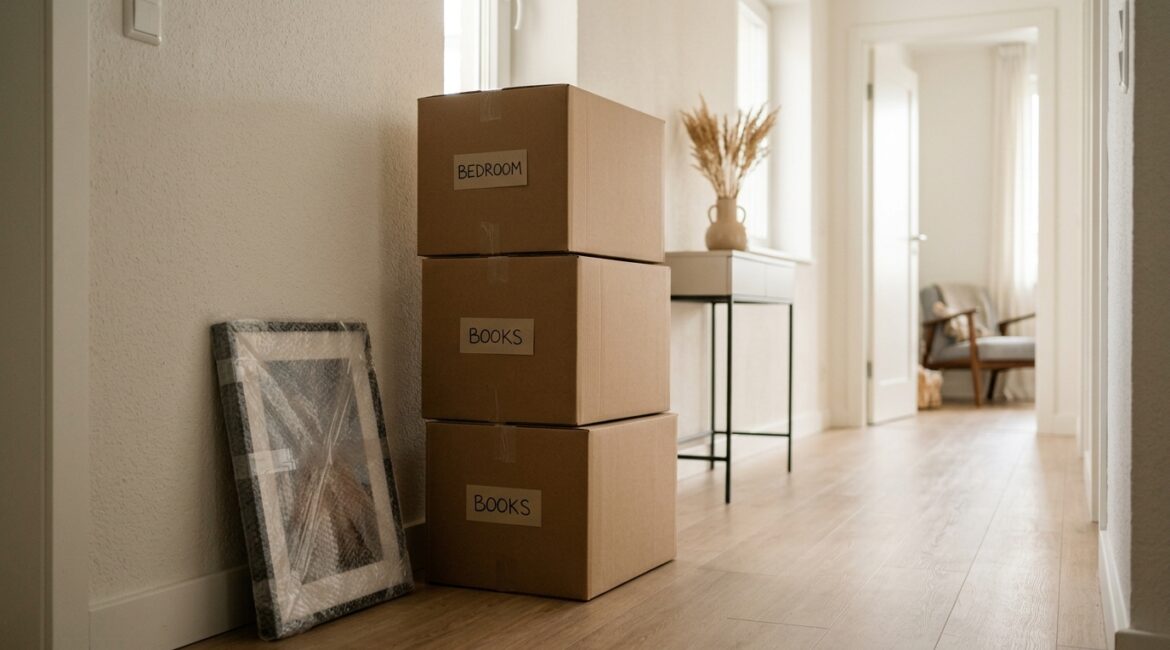
City moves are rough on breakables. Narrow hallways, elevator shuffles, curbside handoffs, and stop-and-go traffic create lots of small shocks. The biggest win is simple: stop items from moving inside the box, and stop boxes from getting crushed in transit. A few smart packing choices and a clear loading plan...
A practical, city-proof checklist for sturdier boxes, fewer cracks, and less last-minute stress.

In a city move, fragile items usually break for predictable reasons: the wrong box, not enough cushioning, or too much space to shift. Short carries, tight hallways, quick set-downs, and elevator stop-and-go can turn small gaps into cracked glass. If you’re preparing for a short-distance move, it helps to review...