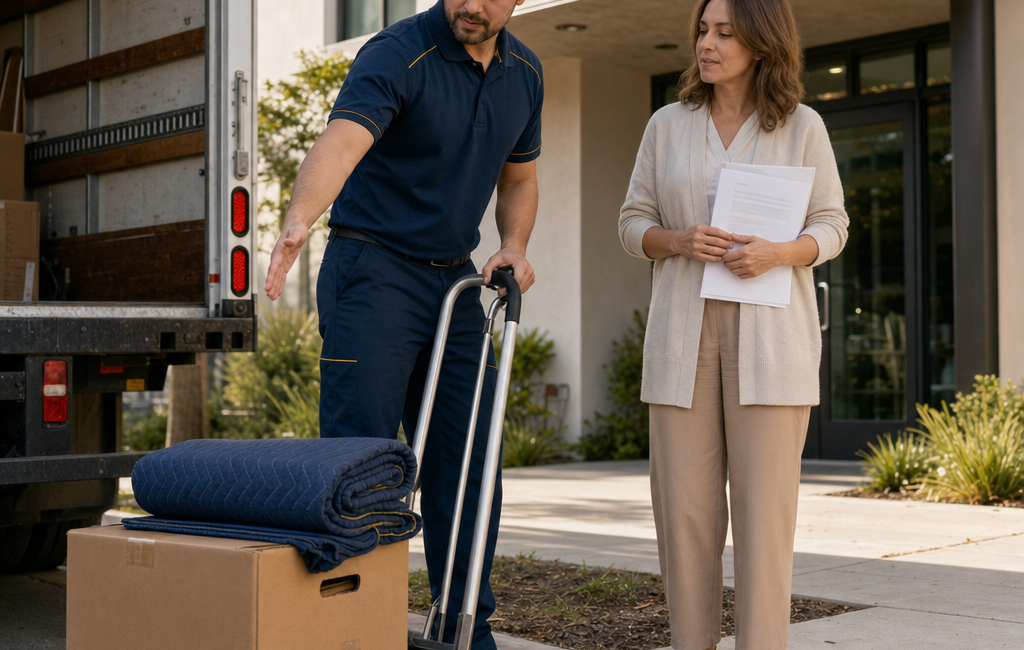
A San Jose move often feels straightforward until the truck needs a legal place to stop. Curb rules, loading distance, elevator access, stairs, and destination limits can all change the real work involved. If a tow-away permit may be needed, current city guidance is safer than assumption.
Clear notes before move day help residents, apartment movers, and office teams plan with fewer surprises and set quote expectations around actual access. For apartment-specific logistics, a simple apartment move checklist can sit alongside these parking and access notes.
Curb space and permits: what to verify first
Truck access is more than reaching the address. A moving truck also needs a legal, usable place to stop near the loading point. When that space is unclear, the carry distance can become a real scope driver, especially for apartments, townhomes, downtown addresses, and small office moves.
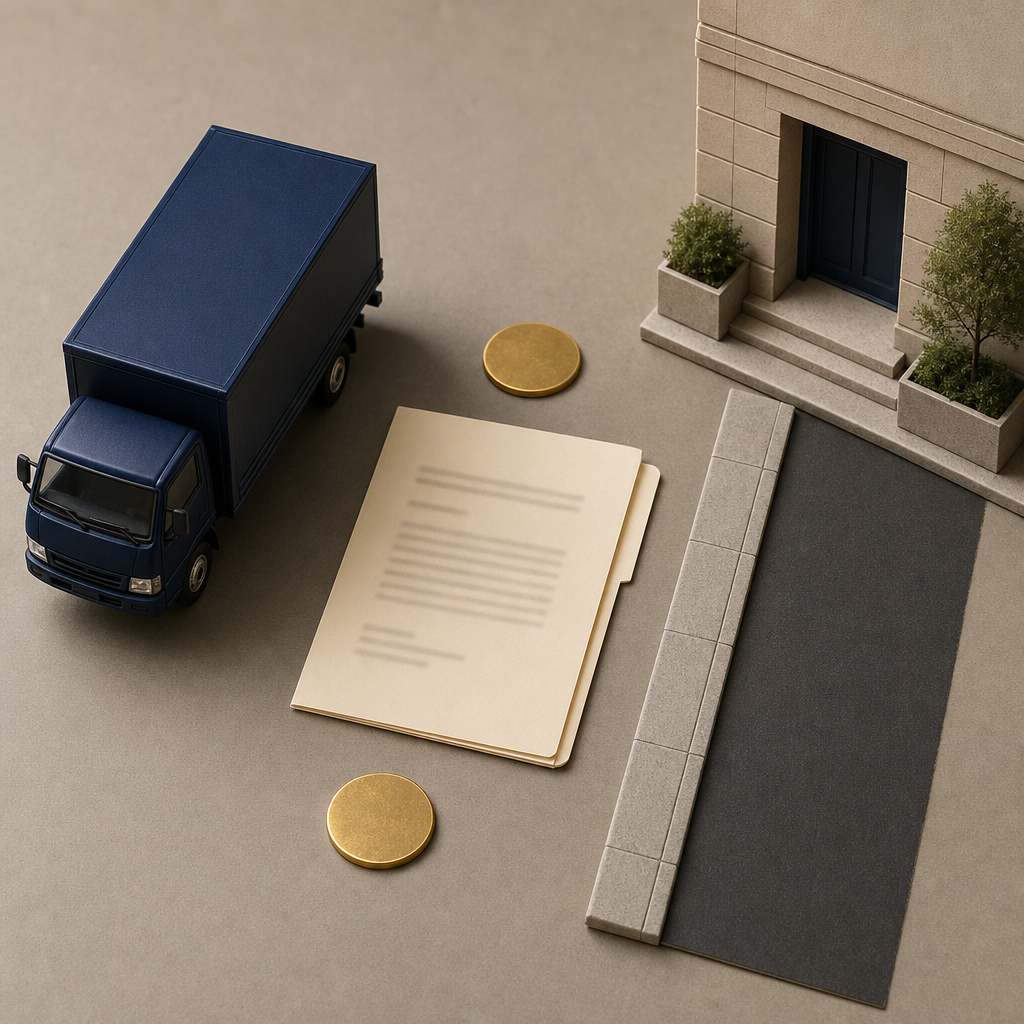
For a San Jose moving truck parking permit checklist, the useful habit is verification, not assumption. Some addresses may have curb space, a driveway, a loading zone, or private property access. Others may involve posted restrictions, shared driveways, street parking rules, or building-controlled loading areas.
San Jose’s official tow-away permit information can help clarify whether a temporary curb reservation may apply. Permit rules can vary by location and situation, so the permit question belongs with the rest of the access review.
Helpful curb notes include whether the truck can stop close to the entrance, whether a gate or driveway is involved, and whether the destination has different parking conditions. A South Bay or Peninsula delivery may be simple on the map but different at the curb.
The practical point is clear: parking and permits are part of the move plan. They affect timing, crew flow, and quote expectations because they define how easily the truck connects to the building.
Apartment and office access: elevators, stairs and destination limits
Apartment and office moves in San Jose often depend as much on access as on inventory. A truck may have a legal curb position, but the route can still include a lobby, elevator, stairwell, long hallway, loading dock, security desk, or shared garage.
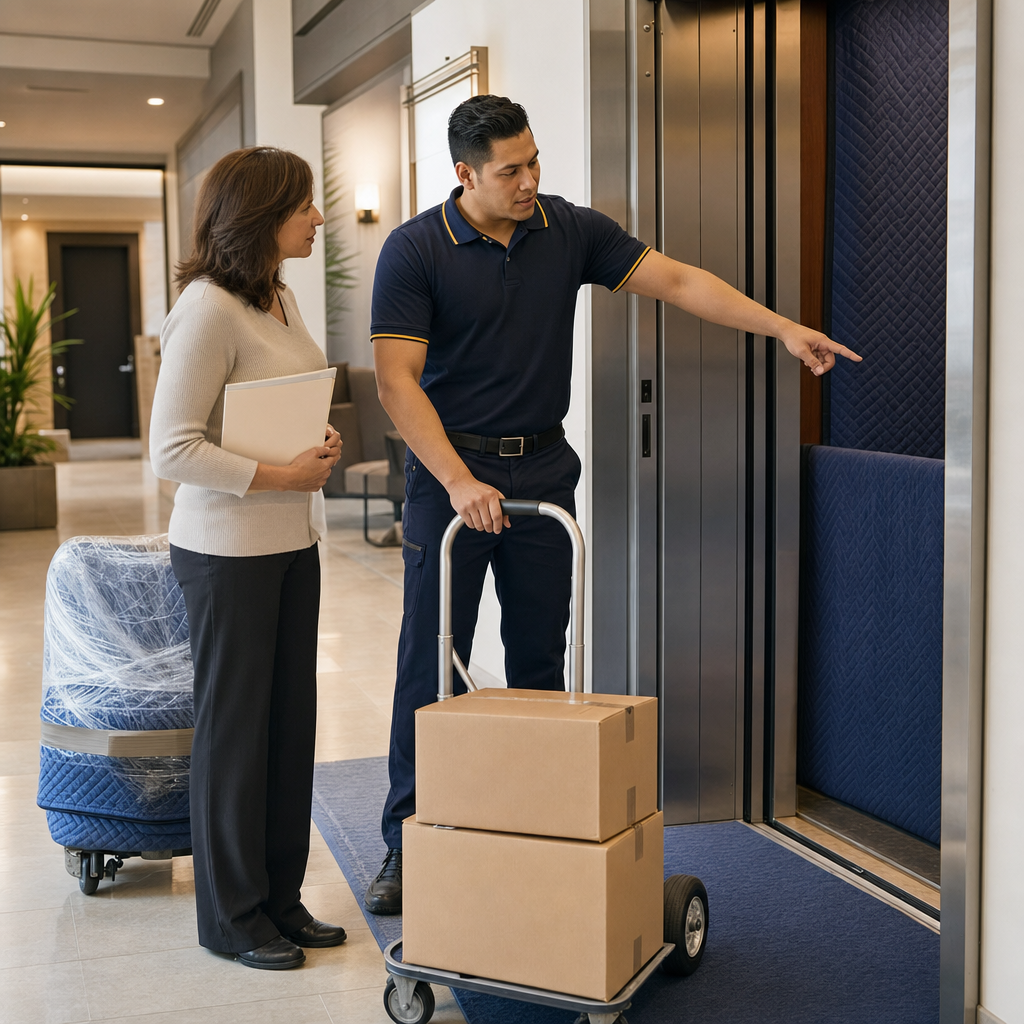
Elevator access is a common example. A passenger elevator, freight elevator, or reserved elevator window can change how crews sequence the work. The key question is not only whether an elevator exists, but whether it is available for moving activity and whether the route from elevator to unit is direct.
Stairs create a different type of planning issue. A second-floor apartment with a short stair run is not the same as an upper-floor walk-up with tight turns or narrow landings. Office moves can add desks, conference furniture, equipment carts, building security, and timing limits to the access picture.
Destination details deserve the same attention as pickup details. The delivery address may have a smaller loading area, longer carry, garage height limit, or different elevator rules. When those notes are missing, a quote can capture the inventory but still miss the conditions that shape the work.
Clear access notes connect parking, building entry, elevator or stair use, and final placement. That gives the move a more realistic shape before the truck arrives.
Access planning gives a San Jose move its real shape. Curb space, permit questions, elevator rules, stairs, and destination limits all influence how the day is staffed and scheduled.
A short set of verified notes can make quote review clearer and reduce last-minute uncertainty. For offices, timing windows and loading-area rules matter. For apartments, stairs, hallway distance, and move-in restrictions often carry the most weight.
Smart People Moving supports San Jose and South Bay residential, apartment, and office moves with planning conversations around parking, building access, and destination conditions. If you are planning a San Jose or South Bay move, sharing curb, elevator, stair, and destination details during a clearer scope review can help set expectations before move day.