

An apartment move can quickly eat into work hours when packing, access details, and setup decisions all land at once. For busy professionals, the best checklist protects focus as much as it tracks boxes.
A workday-proof plan keeps tasks small, confirms building access early, and separates the items needed for the first night and next workday. That makes the move easier to manage without turning every evening into moving time.
Before move week: make packing fit real workdays
Before move week, an apartment move checklist for busy professionals should not read like one long task dump. It should break the move into short blocks around meetings, commutes, errands, and normal evening energy.
Each block needs one clear purpose. One evening might cover rarely used kitchen items. Another might focus on folded clothes, packing paper, or home office accessories. The aim is not to finish everything. It is to make each session easy to start and realistic to complete.
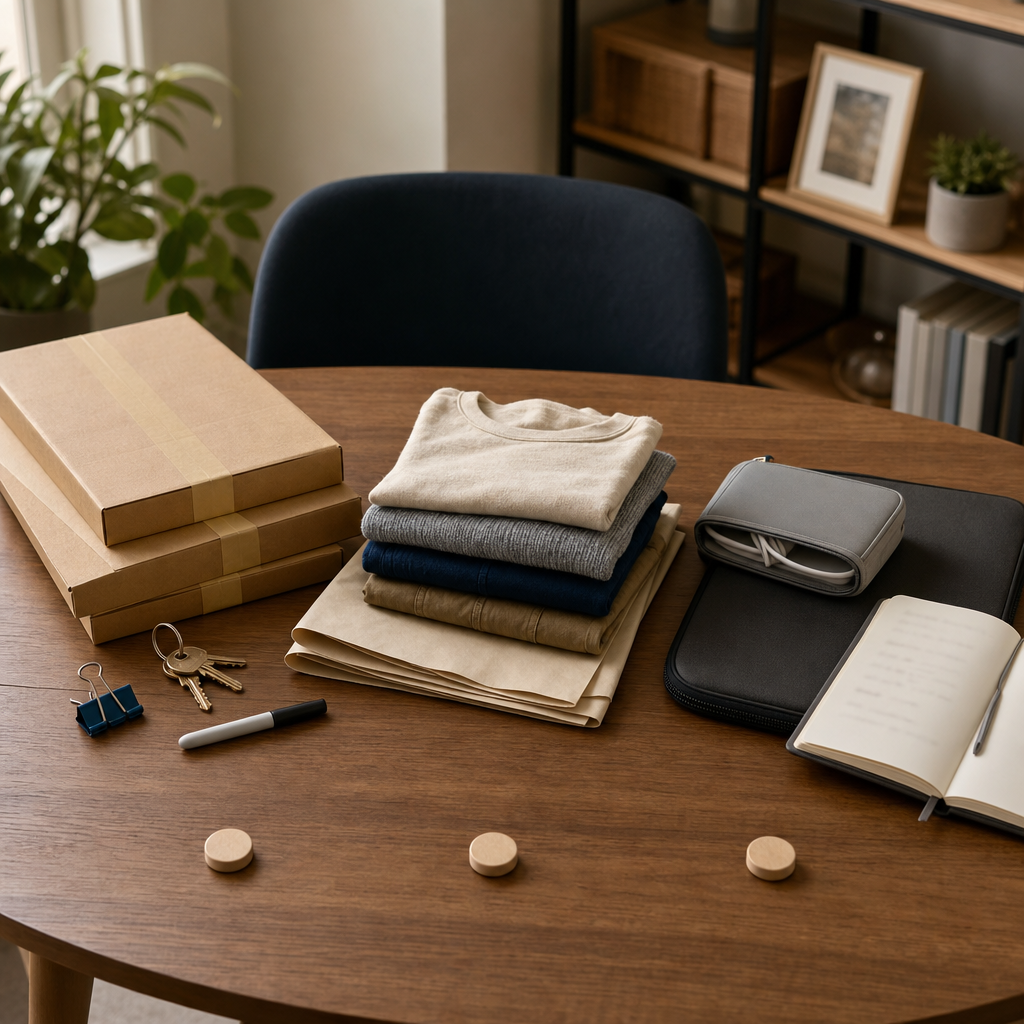
Separating task types also helps. Taping boxes and wrapping items use different attention than confirming access details or updating a shared move note. Batching similar work keeps short evenings from feeling scattered, especially when items like address changes, utility transfers, and building logistics need their own place outside the packing list.
For anyone working from home, the desk area needs its own category. A laptop, chargers, notebook, work documents, and daily desk items often stay in use longer than books or decor. Keeping them separate helps the apartment keep functioning while packing continues.
Small sessions can seem too minor to matter. In practice, repeated focused blocks reveal problems earlier: missing supplies, unclear labels, or items that belong with essentials instead of deep storage.
Move day and first night: keep access and essentials visible
Move day works best when access, essentials, and work items stay visible. The biggest issue for busy professionals is not only lost time. It is losing track of the few items that make the first night and next workday workable.
Access matters because apartment moves depend on shared spaces. Keys, fobs, elevator details, parking information, and building contacts can affect how smoothly local movers enter, load, unload, and leave. A pocket, tote, or separated pouch keeps these items available during handoffs.

A practical move-day set can stay in three groups:
- Building access: keys, fobs, parking notes, elevator or loading details, and move-related contacts.
- First-night essentials: toiletries, a change of clothes, basic kitchen items, chargers, medications if applicable, and close documents.
- Workday essentials: laptop, charger, headset, notebook, work ID, internet-related equipment, and small desk items needed quickly.
The home office deserves extra care because it holds fragile and time-sensitive items. A monitor, office chair, cables, and laptop accessories may look like ordinary household goods during loading. Yet they support the next meeting, deadline, or remote-work block. Keeping the core work kit separate reduces the chance that setup depends on full unpacking.
Clear pathways matter too. Entry doors, hallways, elevator areas, and the first room inside the new apartment can fill fast. Staging the essentials tote, first-night box, and office kit outside the main traffic path lets movers work while important items stay within reach.
The first night does not need a finished apartment. It needs enough order for sleep, hygiene, food, charging, and basic work continuity.
A smoother apartment move usually comes from smaller decisions made earlier. Short packing blocks protect work time, while separated essentials protect the first night and the next workday.
If the schedule is tight, it can help to decide early which tasks are manageable alone and which parts would be easier to delegate.
When workday limits make the move hard to coordinate, Smart People Moving can support residential and apartment moves with organized help around real schedules, including heavier planning and move-day handling. If that kind of support would save time, you can request a moving quote and compare it with what you prefer to pack yourself.