

Most apartment moves don’t go wrong in big, dramatic ways. They slip in the details: mail still going to the old box, internet not turned on, or movers stuck because the building needed an elevator booking.
A light “moving hub” and a week-by-week timeline can keep those handoffs tidy. The goal is fewer calls, fewer surprises, and a smoother switch between buildings and services—especially when you’re coordinating with local movers and building management at the same time.
A 15-minute moving hub + a simple timeline (so nothing slips)
What a “moving hub” means in practice
A moving hub is one place where every moving detail lives—paper, a notes app, or both. The format matters less than having one source of truth.
It cuts down on mental overhead. Small items like elevator rules, loading access, or parking approvals are easy to forget when they’re scattered across emails and texts.

What to keep in the hub
- Lease and landlord communication (notices, inspection notes)
- Building logistics (elevator reservation, loading access, permit emails)
- Service bookings (movers, cleaners, internet provider)
- Utilities and address changes (account numbers, confirmation screenshots)
- Inventory and documentation (photos, high-value items list)
- Money trail (deposits, invoices, Certificates of Insurance if requested)
If your move includes glassware, frames, or other breakables, it can also help to use a consistent packing routine—this guide on protecting fragile items in a city move is a practical reference.
Why a week-by-week timeline works
Think of the timeline as a dependency map. Many moves hinge on lead time: lease notice windows (often 30 days), building calendars, and mover availability.
Early on, access and approvals set the pace. Midway, decluttering and inventory affect quotes, packing time, and documentation. In the final stretch, confirmations and photos protect you when dates, billing cycles, or deposits get questioned.
Key takeaway: One hub plus a simple timeline makes gaps visible while they’re still easy to fix.
Address changes + utilities: clean handoffs, clear confirmations
Address updates and utility transfers are the quiet part of an apartment move. When they lag, the fallout is usually practical: missed mail, billing confusion, or a first evening with no power or internet.
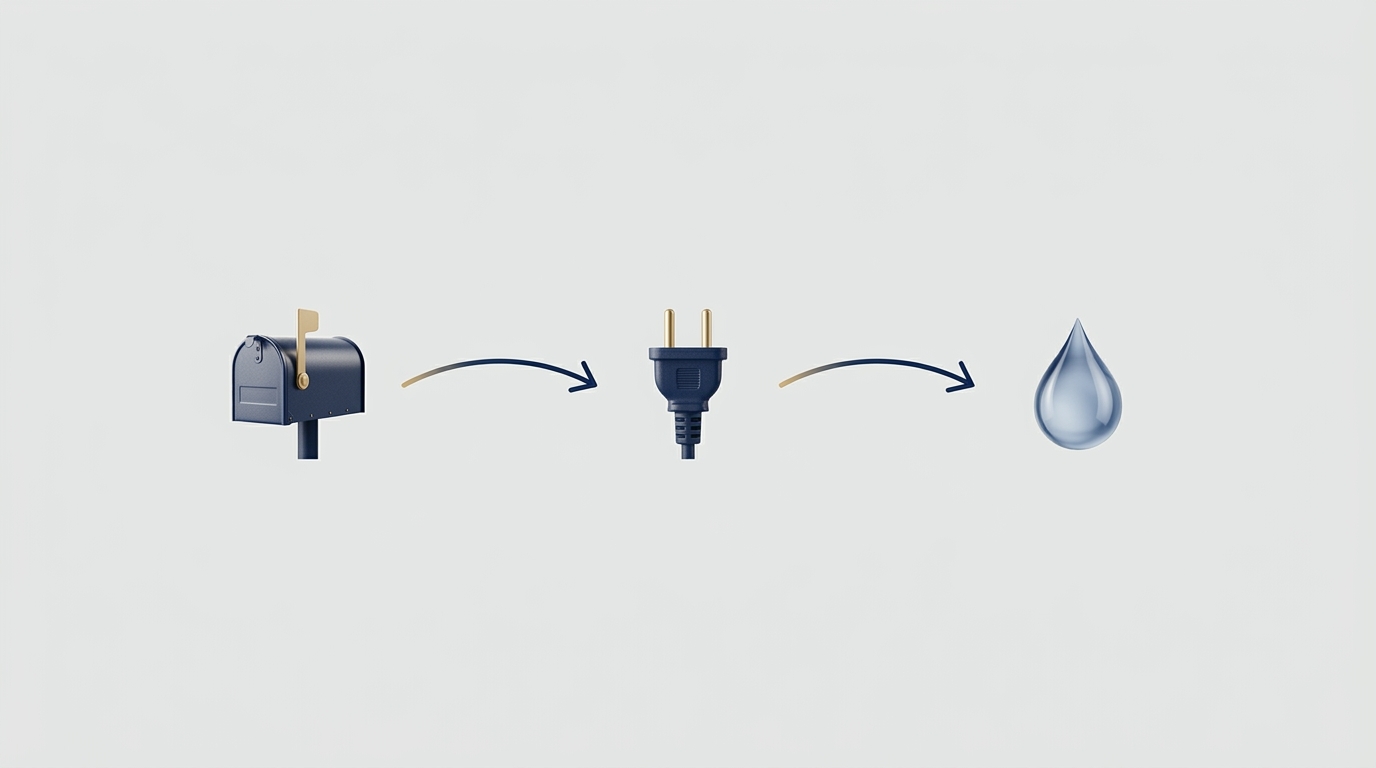
Address changes are connected records
Mail forwarding helps, but it’s only one link in the chain. Many accounts use your address for billing, identity checks, and replacements. A mismatch can trigger declined transactions, delayed cards, or extra verification steps.
If you need the official process, the USPS change-of-address page is a reliable starting point: https://moversguide.usps.com/.
Utilities are separate handoffs
Electricity, gas, water, trash, and internet often have different providers and different start/stop confirmations. Utilities rarely “follow the lease” automatically—providers track responsibility by account holder and service address.
Buildings can add another layer. Some handle water or trash centrally while internet is tenant-selected, which makes it easy to assume the wrong setup.
Proof beats memory
A confirmation number, email receipt, or service-order summary is what tenants, providers, and property managers can all reference when dates or billing cycles get disputed.
Example: You update your bank address but miss a subscription and a utility autopay. One keeps shipping to the old mailbox; the other turns into a late fee.
Quick FAQ
How far ahead should utilities be scheduled? Lead time varies by provider and building policies.
Is mail forwarding the same as changing my address everywhere? No. Forwarding affects mail delivery, not every account’s billing address.
What if the building says utilities are “included”? Some may be central, while others (often internet) are still tenant-managed.
What should I save as proof? Confirmation emails, order summaries, and any reference numbers.
What’s the most common missed update? Recurring deliveries and autopay accounts tied to the old address.
Key takeaway: Treat address and utilities like linked handoffs—ownership dates plus confirmations keep the move predictable.
A smoother apartment move usually comes down to two things: a single place to track details, and written confirmations for every handoff. Building access rules, elevator bookings, and utility start/stop dates are the spots where small misses become real disruptions.
If you’re short on time, it can help to pick one “hub,” then focus on the few dates that control everything else—move-in access and service activation.
Smart People Moving provides apartment moving services, including help with scheduling, pickup, and delivery so move day runs more smoothly.
If you’d like help coordinating an apartment move, you can book your move with Smart People Moving when you’re ready.